- Client
- Taita Estate
- Sector
- Environmental Services
- Service
- SESA – Strategic Environmental & Social Assessment
- Location
- Mwatate, Kenya
- Listed under
- Environmental Services
Project summary
The purpose of the SESA report was to share the findings of the possible impacts on the biophysical and socio-economic environment upon implementation of the proposed Master Plan. It also provides information on the plan proponent, an outline of the proposed plan, mitigation measures for identified negative impacts, an environmental management and monitoring plan to ensure effective implementation of the mitigation measures, and a description of the SESA process, including the assessment’s outcomes and recommendations.
Methodology and Criteria for undertaking the SESA
The SESA was carried out in line with the provisions of the Environmental Management and Coordination Act, (EMCA, Cap 387), the Environmental (Impact Assessment and Audit) Regulations 2003, Draft Environmental Management and Coordination (Strategic Assessment, Integrated Impact Assessment and Audit) Regulations 2018, the 2012 National Guidelines for Strategic Environmental Assessment in Kenya, as well as international guidelines on SESA.
The brief
Strategic Environmental and Social Assessment (SESA) refers to a range of analytical and participatory approaches to integrate environmental and social consideration into Policies, Plans and Programs (PPP), and evaluate the inter-linkages with economic and social considerations (NEMA, 2012). SESA is a combination of approaches that use a variety of tools, rather than a single, fixed, prescriptive approach. The SESA process extends its aims and principles upstream in the decision-making process, beyond the plan level, when major alternatives are still possible.
SESA is a proactive approach to integrate environmental considerations into the higher levels of decision-making. During a SESA process, the likely significant effects of a Policy, Plan, or Program (PPP) on the environment are identified, described, evaluated, and reported.
Basic Principles for SESA
The Environmental (Impact Assessment and Audit) Regulations of 2003 provide for SESA in compliance to the following principles:
- The sustainable use of natural resources.
- The enhanced protection and conservation of biodiversity.
- Inter-linkages between human settlements and cultural issues.
- Integration of socio-economic and environmental factors
- The protection and conservation of natural physical surroundings of scenic beauty and the protection and conservation of built environment of historic or cultural significance.
- Public and stakeholder engagement.
The deliverables
- Master Plan Brief, Submission and decision to conduct SESA by NEMA — 23/02/2022
- Screening report approval by NEMA — 21/03/2023
- Data collection and submission of SESA scoping report to NEMA — 27/04/2023
- Submission of SESA Draft report — 30/06/2023
- Media adverts — 07/07/2023
- NEMA Comment received — 02/10/2023
- Submission of second SESA draft report — 26/10/2023
- Validation workshop conducted — 06/12/2023
- Submission of the final SESA report
The process: our work
Stakeholder’s Engagement
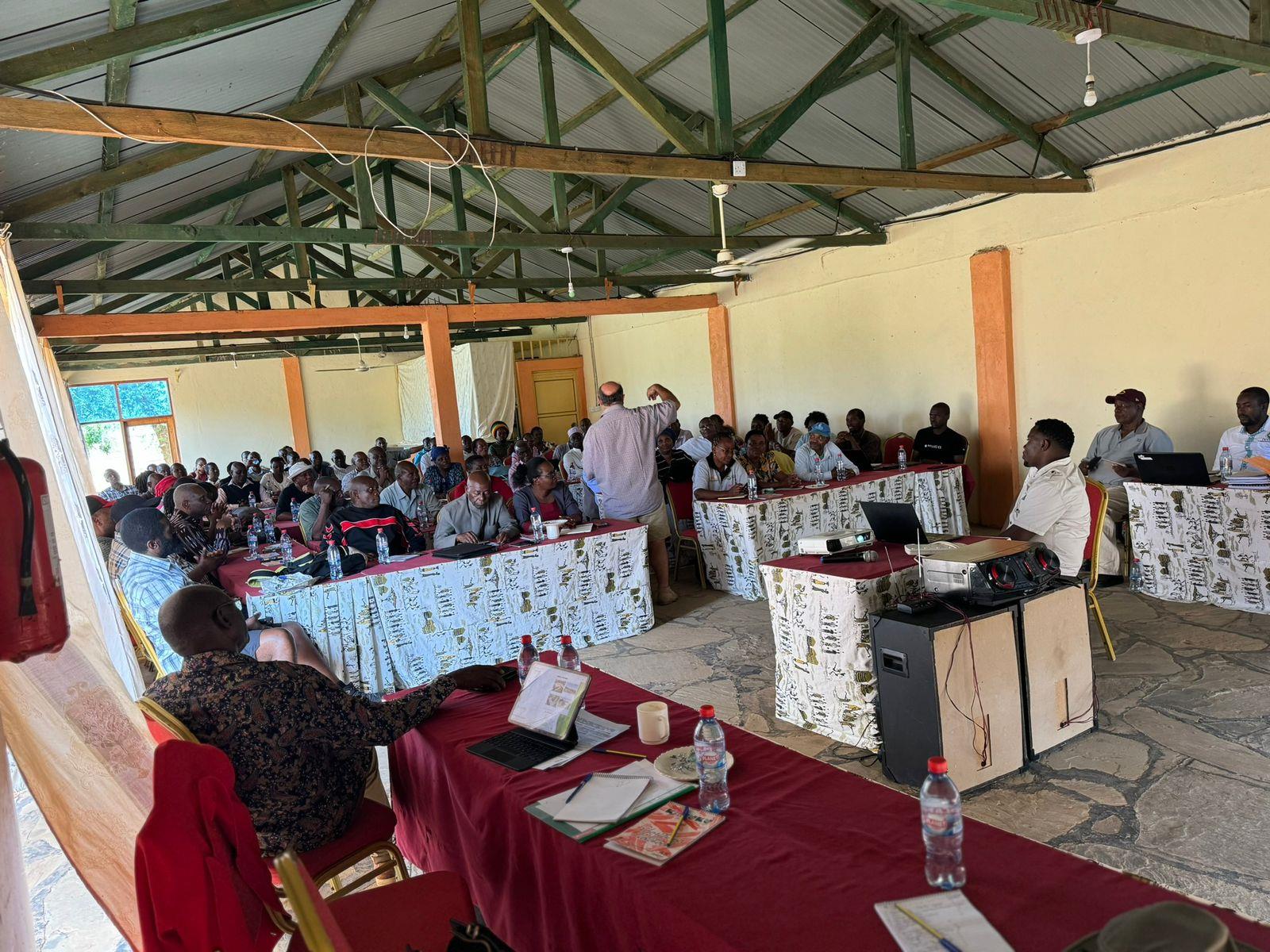
Stakeholder engagement sessions bring together technical professionals, political leaders, business owners and residents in a collaborative effort to facilitate an inclusive dialogue paving way for a sustainable and prosperous environmental future.
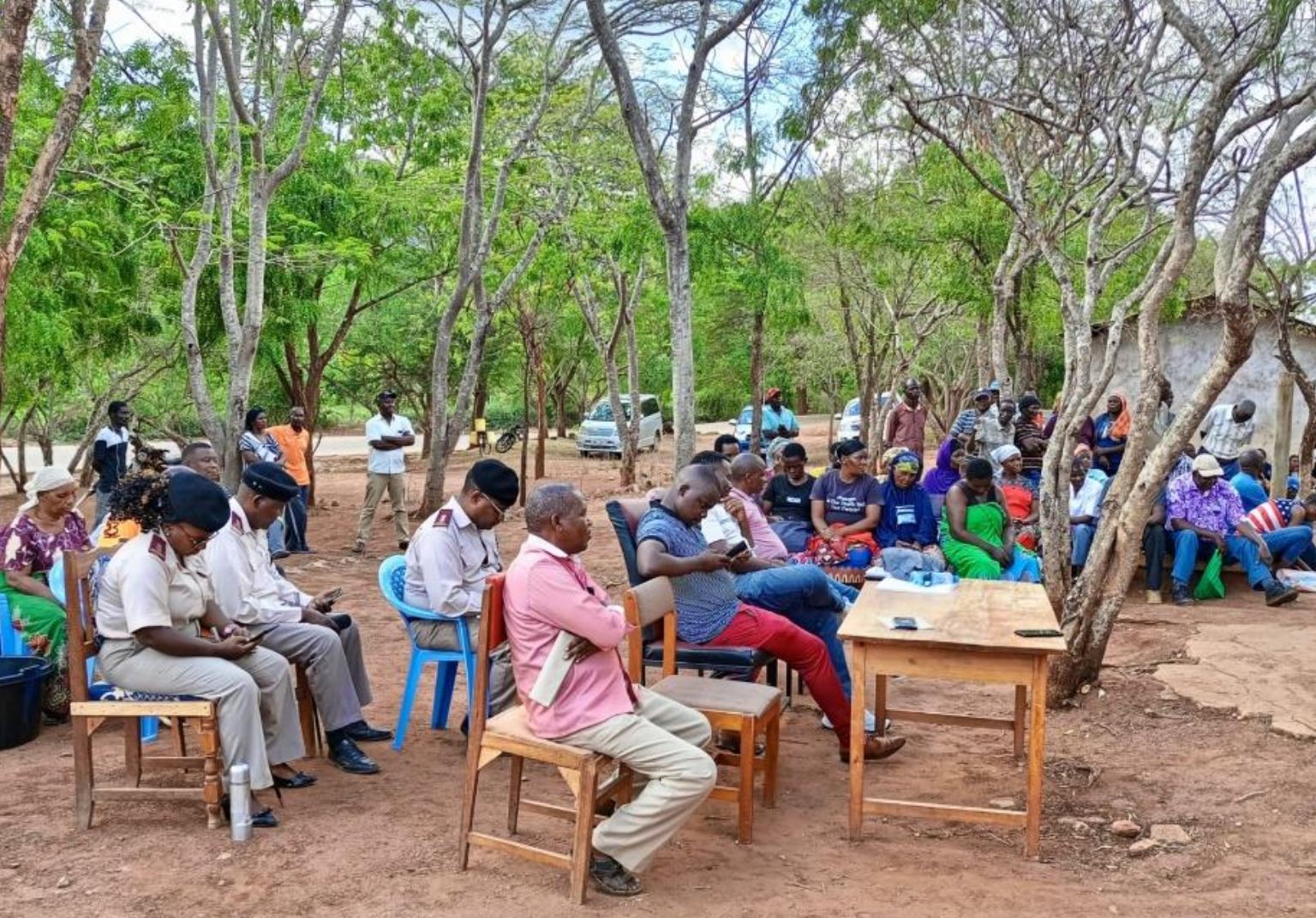
The People – Validation workshop
People are not just witnesses to change but architects of their own environmental destiny.
Involving them in strategic environmental planning projects reflects their collective aspirations and voice.